
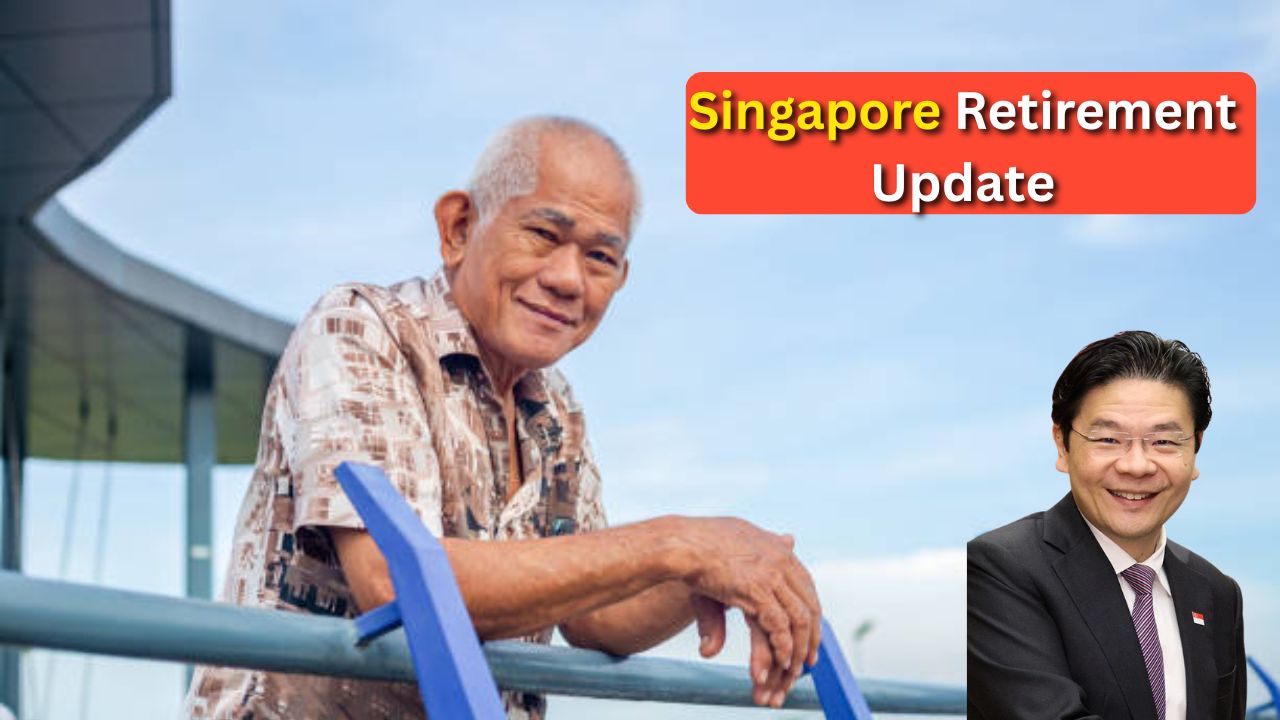
Singapore has one of the most structured and well-planned retirement systems in the world. In recent years, the government has introduced several updates to the Singapore retirement age rules to support an aging population and ensure financial security for seniors. These changes are designed to allow older workers to stay employed longer while preparing for retirement more effectively.
If you are planning to retire in Singapore, it is important to understand the new retirement age changes, re-employment rules, and CPF retirement policies. These updates affect when employees can retire, when they can continue working, and how retirement savings are managed.
Latest Post
महिलाओं के खाते में आए ₹2500, लाड़ली बहना योजना की 33वीं किस्त जारी – Ladli Behna Installment News
This educational guide explains the latest retirement age changes in Singapore, who they affect, and how individuals can prepare for retirement under the updated rules.
Understanding the Retirement Age in Singapore
The retirement age in Singapore refers to the age at which an employer is allowed to retire an employee. However, retirement does not necessarily mean a person must stop working. Many individuals continue working beyond the official retirement age under re-employment arrangements. Singapore’s retirement system focuses on providing flexibility so that older workers who are willing and able to work can continue earning income. This approach helps maintain financial independence and supports the country’s workforce.
Latest Post
1 अप्रैल से लागू होंगे बैंक के नए नियम, ATM से पैसे निकालने पर असर – Bank Rule Change 2026
केंद्र सरकार का बड़ा फैसला: DA 11% बढ़ा, 8वें वेतन आयोग को मंजूरी – DA Hike 8th Pay Commission
The government has gradually increased the retirement age to reflect longer life expectancy and healthier aging among the population.
New Singapore Retirement Age Changes
To better support older workers, Singapore has implemented a gradual increase in both the retirement age and the re-employment age. These changes are being introduced in phases.
| Policy | Previous Age | New Age (2026 onwards) |
|---|---|---|
| Official Retirement Age | 62 | 63 |
| Re-employment Age | 67 | 68 |
| Future Target (2030) | — | Retirement Age 65 / Re-employment Age 70 |
The gradual increase allows both employers and employees to adapt to the new retirement structure.
What Is Re-employment in Singapore?
Re-employment is a key feature of Singapore’s retirement system. After reaching the official retirement age, employers must offer eligible workers the opportunity to continue working up to the re-employment age. This system helps experienced workers remain active in the workforce while providing companies access to skilled employees.
Key aspects of re-employment include:
- Employees may continue working after retirement age
- Employers must offer re-employment if the worker is eligible
- The job role may be adjusted based on company needs
- Salary and responsibilities may change
This arrangement benefits both employees and businesses by maintaining workforce stability.
Eligibility for Re-employment
Not every worker automatically qualifies for re-employment. Certain conditions must be met before an employer is required to offer continued employment.
Typical eligibility requirements include:
- The employee must be a Singapore citizen or permanent resident
- The employee must have satisfactory work performance
- The employee must be medically fit to continue working
- The employee must have served the employer for a minimum period
If these conditions are satisfied, employers must provide a suitable re-employment position until the employee reaches the re-employment age.
How CPF Supports Retirement in Singapore
The Central Provident Fund (CPF) plays a major role in Singapore’s retirement planning system. CPF is a mandatory savings program where both employees and employers contribute to retirement accounts.
These savings help individuals fund their retirement lifestyle after leaving the workforce.
The CPF system includes several key components:
- CPF Ordinary Account for housing and investment
- CPF Special Account for retirement savings
- CPF MediSave for healthcare expenses
- CPF Retirement Account for retirement payouts
Once individuals reach the CPF payout eligibility age, they can start receiving monthly retirement payments.
Benefits of the New Retirement Age Policy
The updated retirement age rules provide several advantages for Singapore’s workforce and economy.
- Allows older workers to stay economically active
- Provides additional years to build retirement savings
- Reduces financial pressure during retirement
- Supports companies with experienced talent
- Encourages healthy and active aging
These benefits make the retirement system more sustainable as the population continues to age.
Tips for Planning Your Retirement in Singapore
Proper planning is essential for a comfortable retirement. Individuals should begin preparing financially and mentally for retirement long before reaching retirement age.
Some important retirement planning strategies include:
- Start saving early through CPF and personal savings
- Consider long-term healthcare planning
- Pay off major debts before retirement
- Review investment and retirement income options
- Consider part-time work after retirement
These steps can help individuals maintain financial security and independence in their later years.
Challenges of an Aging Population
Like many developed countries, Singapore faces the challenge of an aging population. As life expectancy increases, more people are spending longer periods in retirement.
This demographic shift creates pressure on pension systems, healthcare services, and workforce productivity. Raising the retirement age is one strategy used by the government to address these challenges while ensuring that older citizens remain financially secure.
Conclusion
The Singapore retirement age changes are an important step toward creating a sustainable retirement system. By gradually increasing the retirement and re-employment ages, the government allows older workers to remain active while strengthening their financial security.
For individuals planning to retire in Singapore, understanding these policies is essential. With proper financial planning, CPF savings, and potential continued employment opportunities, residents can enjoy a stable and comfortable retirement. As Singapore continues to adapt to an aging population, these retirement policies will play a crucial role in supporting both workers and the broader economy.
Frequently Asked Questions (FAQs)
1. What is the current retirement age in Singapore?
The retirement age in Singapore is gradually increasing and is currently set at around 63 under the latest policy updates.
2. What is the re-employment age in Singapore?
The re-employment age allows eligible employees to continue working until about 68, depending on government policy updates.
3. Can employees continue working after retirement age?
Yes, under Singapore’s re-employment policy, eligible workers can continue working after reaching the official retirement age.
4. How does CPF help with retirement?
CPF provides mandatory retirement savings that generate monthly payouts after individuals reach the payout eligibility age.
5. Will the retirement age increase further?
Yes, Singapore plans to gradually raise the retirement age to 65 and the re-employment age to 70 by around 2030.